From Farm,
Flavor
to Future.
Thai farmers grow the cacao and keep 5–7% of what the finished bar sells for. Three projects: fermentation technology, bean-to-bar chocolate, and goods made from cacao husk waste.
Fermentation results from a controlled comparison — 4 monitored batches against 4 traditional, cut and graded by a third party.
More fully brown beans — 87.25 per 100 against a traditional mean of 72.5, independently graded.
Less batch-to-batch variation in grade 4 fissuring, with the ferment running 10.3% shorter.
Active sites across Thailand, with 5 tonnes of cacao fermented through the system.
Above commodity market price, paid directly to the farmer or cooperative.
Businesses stocking us — cafes, bakeries and restaurants across Thailand.
Of every pod recovered as husk leather instead of being thrown away.
Fermentation results verified by a third-party professional cacao bean grading authority
GOcacao improves the beans. de'Finnitive Chocolates pays a premium for them. de'Finnitive Pods recovers the 70% of the fruit that is normally discarded.
Farmers sell pods to us at 25–45% above commodity price.
GOcacao reads the ferment as it happens, across 8 sites in Thailand.
Husks become a second income stream from the same harvest.
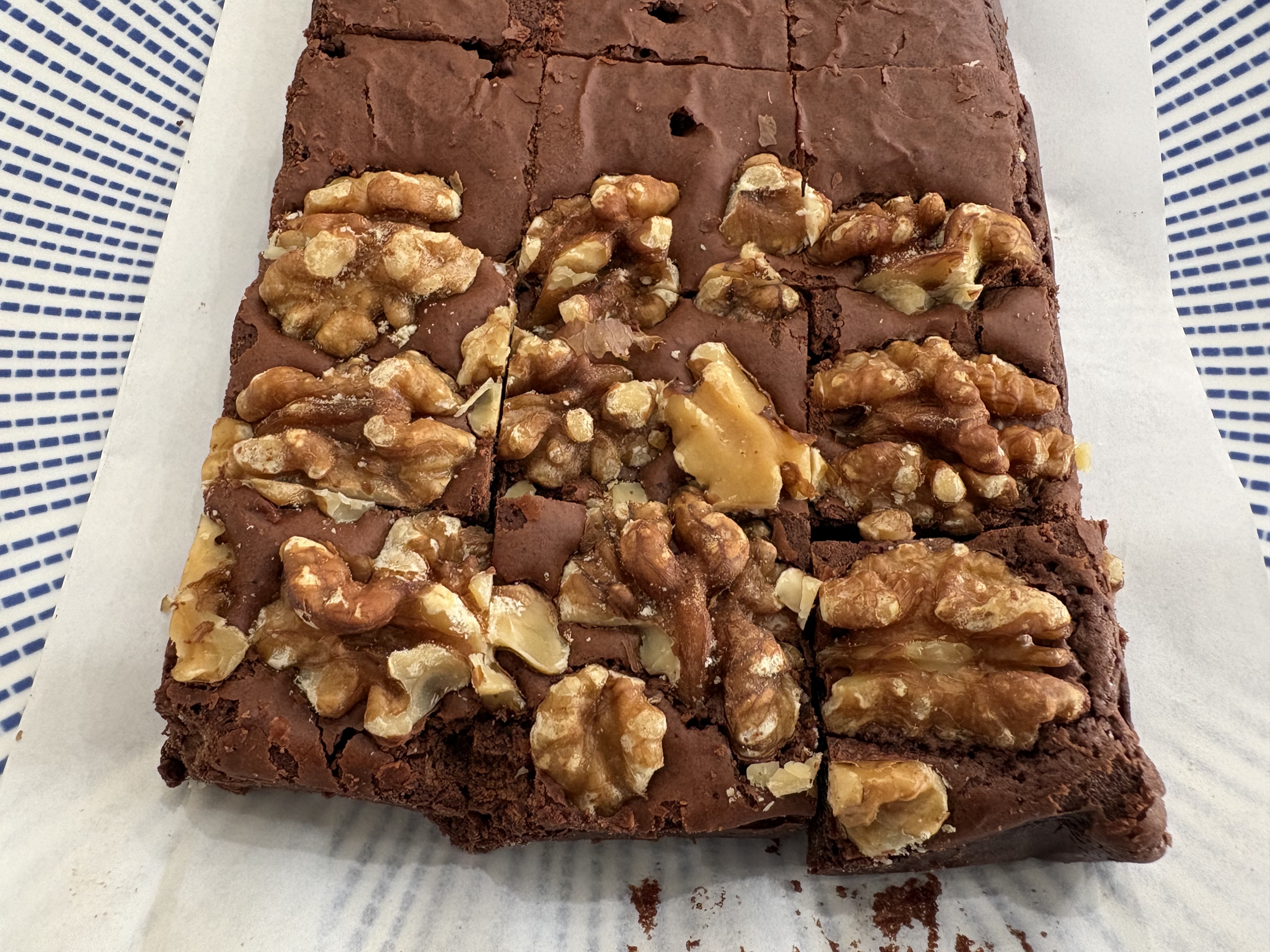
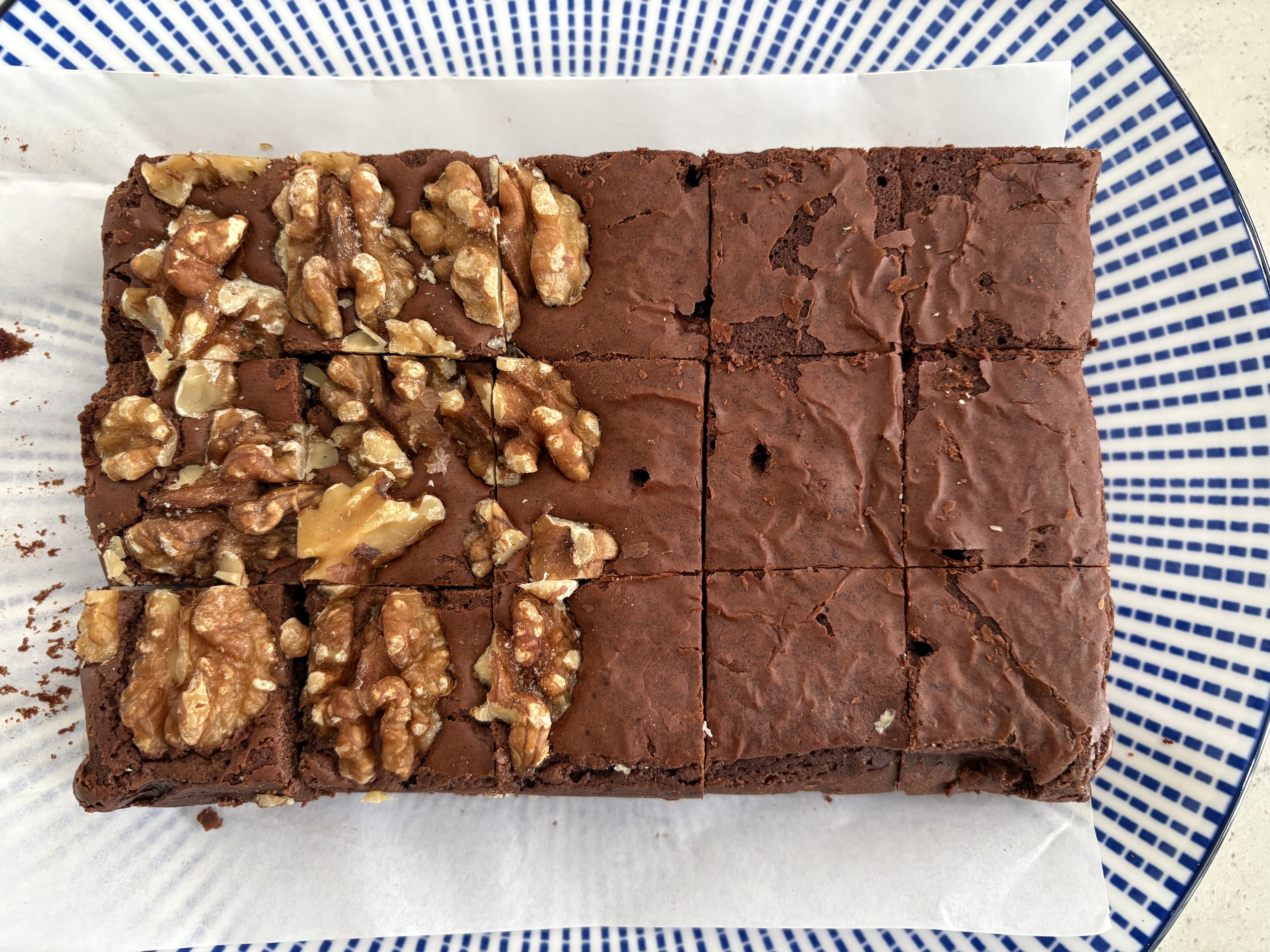
Beans become dark bars with the full fermentation record behind a QR code.
Husk leather is cut into kits and assembled by women in the village.
Each covers a different part of the supply chain: the fermentation, the chocolate, and the waste.
A $100 IoT device that monitors cacao fermentation and tells the farmer when to act. Industry alternatives cost $5,000.
Learn more → 02 / 03Thailand's first fully traceable bean-to-bar chocolate brand. Every bar comes with a QR code linking to its fermentation data. 73% cacao, 27% sugar, nothing else.
Learn more → 03 / 03
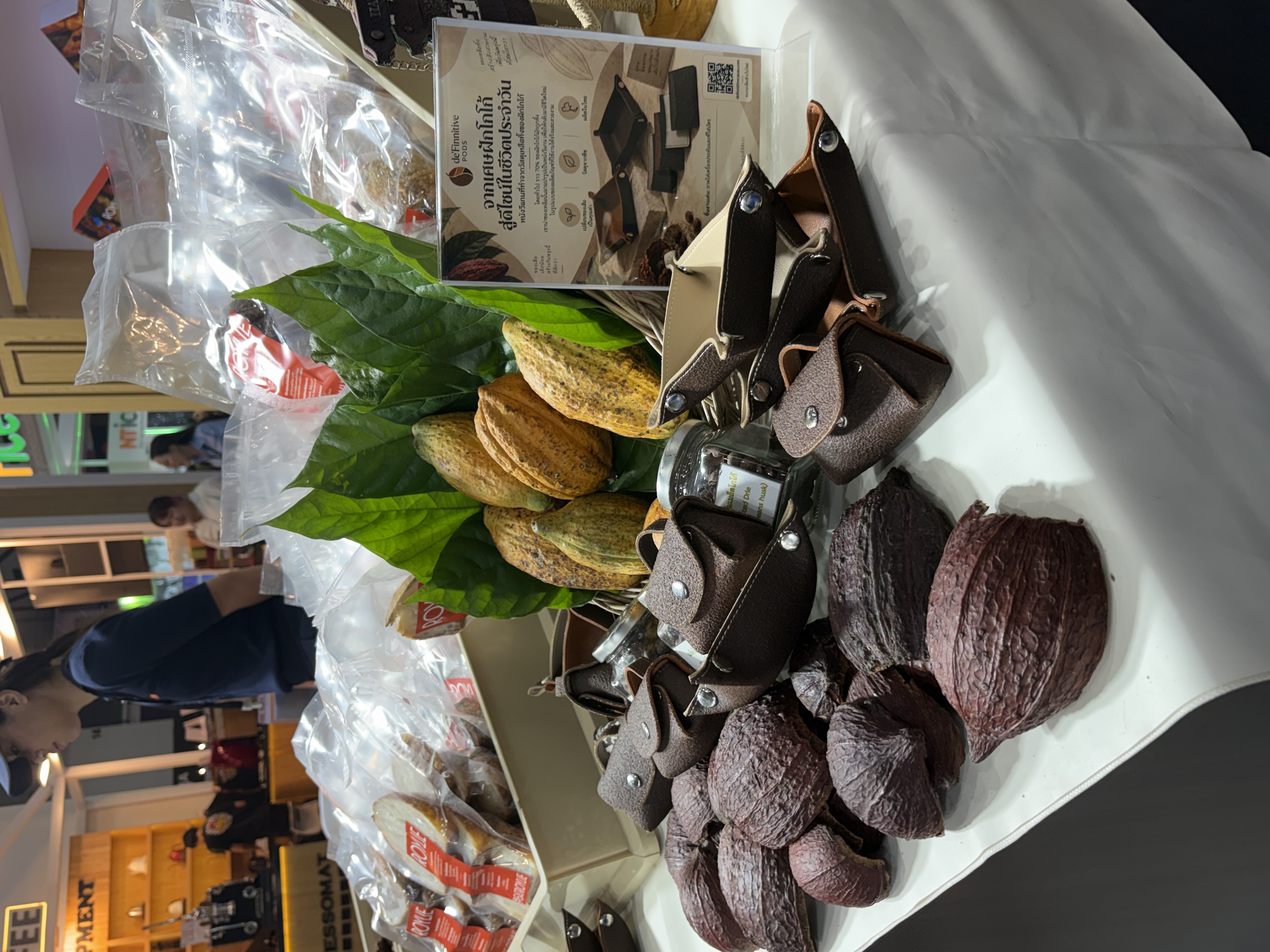
Cacao pod husks made into a biodegradable leather, cut into prefabrication kits, and assembled by women in the village.
Learn more →Smallholders grow 80–90% of the world's cacao and take home 5–7% of what a finished bar sells for.
Thailand has its own version of the problem. Around ten years ago a company sold cacao saplings across the country and promised to buy the beans back at 15–20 baht a kilo, with no quality checks at either end. Farmers borrowed to plant. Many took on tens of thousands of baht of debt for a crop nobody had taught them to ferment, sold into a deal that paid for weight and ignored quality.
Cacao pays better when quality can be proven and someone pays for it.
Of the world's cacao is grown by smallholder farmers
Of the final bar value those farmers actually keep
Per kilo — the price Thai farmers were promised when the saplings were sold, with no quality check attached
Global chocolate industry value
Fermentation is what sets the quality of a bean, and learning to do it well normally takes years. That is why most farmers never start: a failed batch costs them a week of work they cannot afford to lose.
GOcacao removes that barrier. A beginner using the device ferments well on their first harvest, and produces measurably better beans — 20.3% more fully brown, with 55.2% less batch-to-batch variation. Better beans sell for more, and de'Finnitive Chocolates buys them at 25–45% above commodity price.
Beginners can start · Quality goes up · Income goes up70% of every cacao pod is husk, and it is normally thrown away. That means a household's whole income rides on one product, priced by one market.
We turn the husk into leather, then cut and punch it into prefabrication kits — every piece and fitting for one product, bagged ready to assemble. The kits go to women in the village, who put them together at their own table with a hammer and a rivet setter, and we buy back every finished piece.
No leatherworking skill, no machinery, no new planting. A second income from a harvest already brought in, earned by people who were not earning from cacao at all.
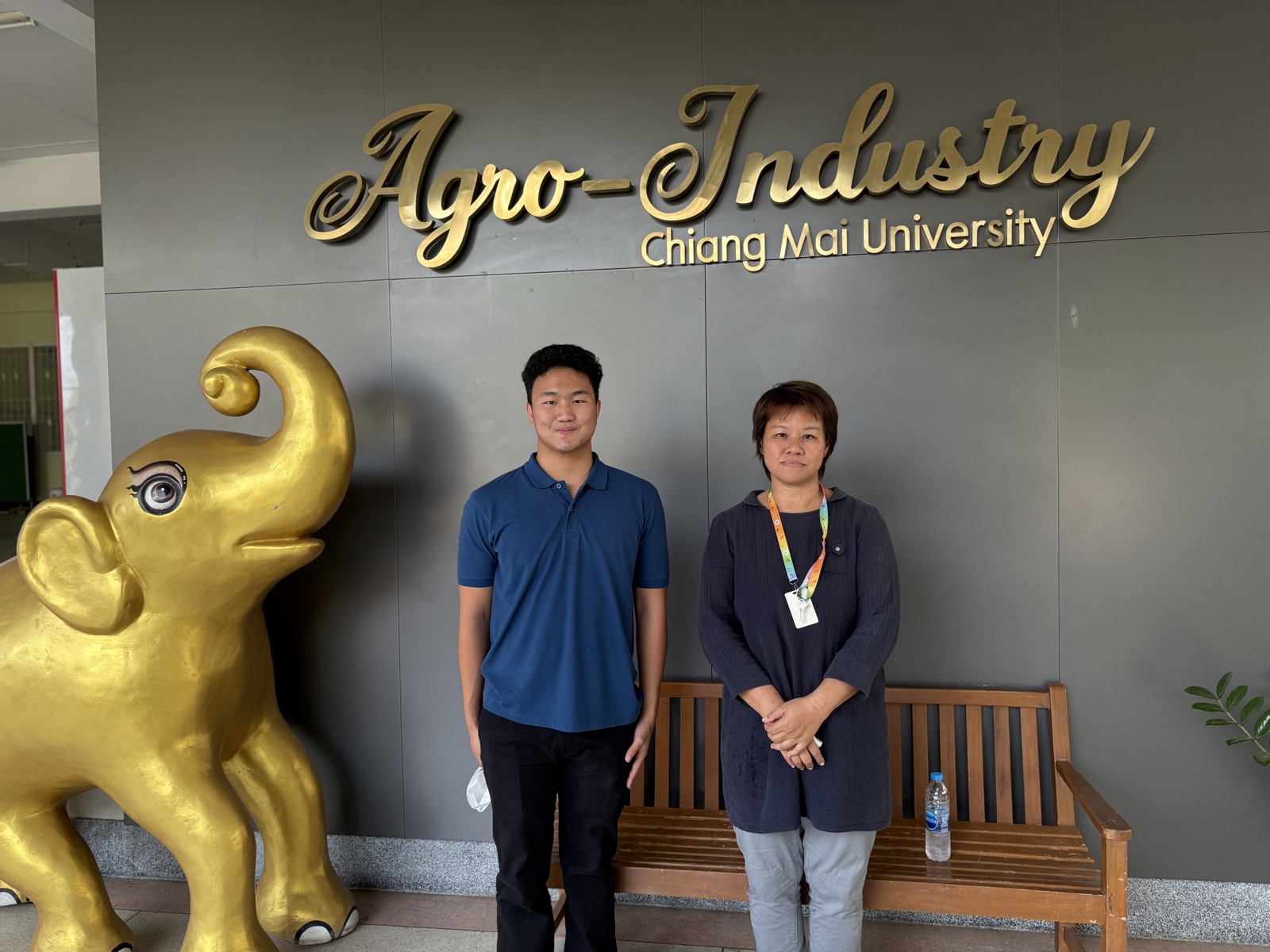
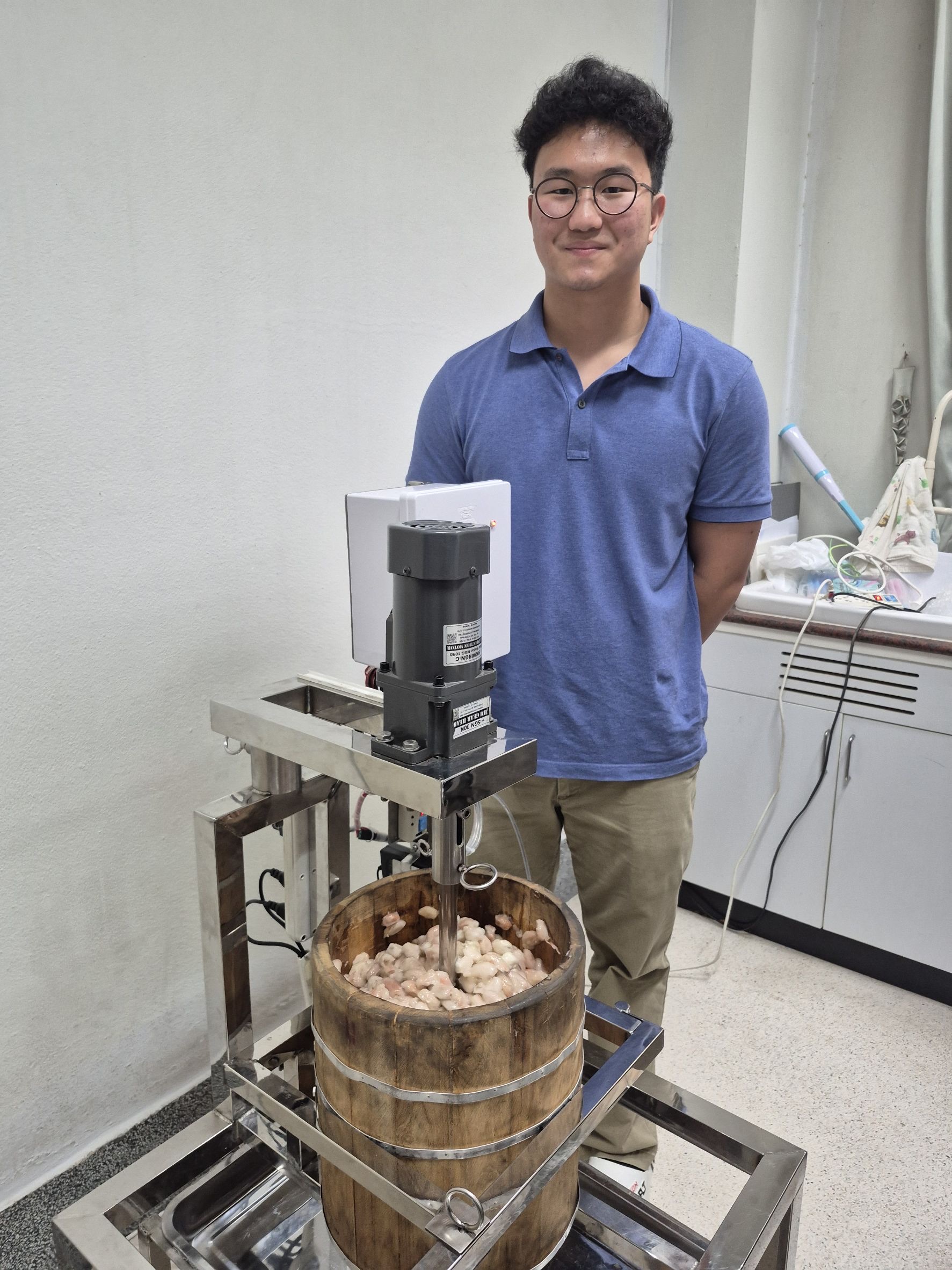
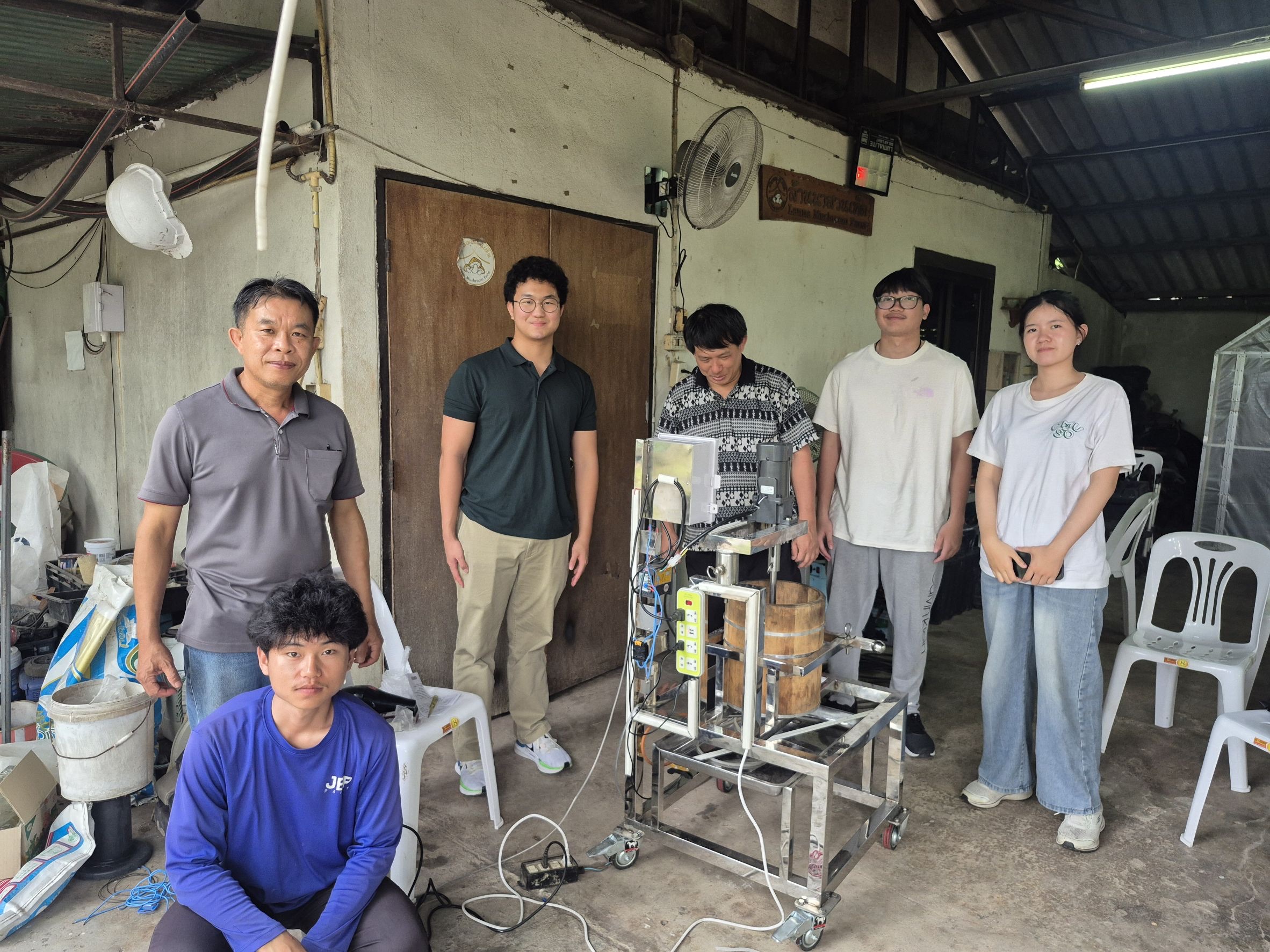
Income diversified · Income increasedAn ongoing collaboration with Chiang Mai University. We are taking GOcacao — which currently tells a farmer when to act — and developing a device that does the acting too, running a full fermentation unattended. I am part of the research team.
Chiang Mai University — ongoing
GOcacao reads the ferment and alerts the farmer. Someone still has to be there to turn the beans.
A device that carries out the intervention itself, so the ferment runs correctly without anyone present.
It removes the last thing standing between a smallholder and consistently good beans: being available at the right moment, every time.
Two papers behind the work, both on ResearchGate.
Naravid Tejavanija
CNX FINEX Innovation Award
From a childhood love of chocolate, I took on a summer job at a chocolate store in Bangkok. That was the first time I saw what goes into a bar before it reaches a shelf — the farms, the fermentation, and the months of work behind the part people actually taste.
From then on I kept following it back up the chain. I visited cacao farms across Thailand, sat in on fermentations, and talked to the people running them. The same thing came up everywhere: the step that decides how the chocolate tastes was the step nobody was paid for and nobody had been taught.
I work as an innovator and an economist: I build the tools, and I study the supply chain they have to work inside. Everything here comes out of both.
Every photograph from the field, the farm, the fermentation site, the workshop, and the finished product — organised and easy to browse.
View Full Gallery →